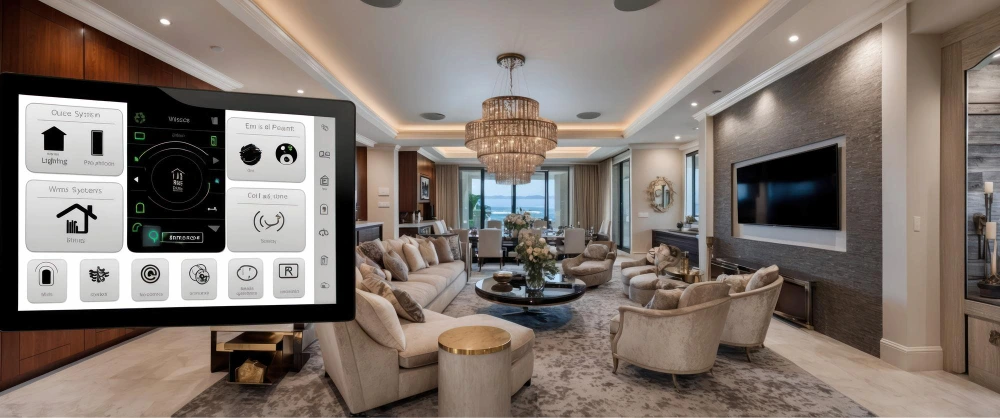
As Saudi Arabia's hospitality sector grows, hotels are under increasing pressure to reduce operating costs while maintaining guest comfort.
Hotel Energy Management Systems help improve efficiency, reduce energy waste, and support sustainability goals through smarter Hotel Energy Management Saudi Arabia strategies.
What Is a Hotel Energy Management System (HEMS)?
A Hotel Energy Management System (HEMS) is a centralized platform that monitors, controls, and optimizes energy consumption across hotel facilities. Energy management systems for hotel operations combine real-time monitoring, automation, and data analytics to improve efficiency while maintaining guest comfort.
Why Hotels Consume More Energy Than Most Commercial Buildings
Hotels consume more energy than most commercial buildings because of their 24/7 operations and extensive services. Through effective Energy Monitoring, operators can identify major consumption areas and improve efficiency with smarter energy management strategies:
HVAC systems:
HVAC systems are often the largest energy consumers in hotels, especially in Saudi Arabia where cooling demand remains high throughout the year.
Guest rooms:
Air conditioning, lighting, televisions, minibars, and other in-room equipment consume energy throughout the day. Without occupancy-based controls, energy usage can continue even when rooms are vacant.
Lighting:
Hotels require extensive indoor and outdoor lighting to create welcoming environments and support round-the-clock operations. Corridors, reception areas, parking facilities, and decorative lighting all contribute to electricity demand.
Hot water systems:
Supplying hot water for guest rooms, restaurants, spas, and wellness facilities requires significant energy consumption. Continuous demand makes efficient system management essential.
Kitchens:
Commercial kitchens rely on energy-intensive equipment such as ovens, refrigeration units, dishwashers, and ventilation systems. Extended operating hours further increase electricity usage.
Laundry operations:
Daily washing, drying, ironing, and steam generation consume substantial amounts of energy and water. High occupancy periods often require laundry equipment to operate continuously.
Swimming pools & leisure facilities:
Pool pumps, filtration systems, heating equipment, fitness centers, and spa facilities add another layer of energy demand beyond standard building operations.
Common areas:
Reception zones, conference rooms, elevators, business centers, and event spaces must remain operational throughout the day, creating a consistent energy load across the property.

The Biggest Energy Management Challenges Facing Hotels
The biggest energy management challenges facing hotels stem from balancing operational efficiency with guest comfort across multiple systems. As a result, the following challenges are among the most common barriers to reducing energy consumption:
High electricity bills:
Hotels consume electricity around the clock to support guest services and facility operations. Without effective Hotel Electricity Management, utility costs can become a significant operational expense.
Seasonal occupancy fluctuations:
Occupancy levels often change throughout the year due to tourism trends, holidays, and events. Matching energy usage to actual demand can be difficult without automated controls.
Guest comfort expectations:
Guests expect comfortable room temperatures, reliable hot water, and well-lit environments at all times. Energy-saving initiatives must never compromise the guest experience.
Equipment operating 24/7:
Critical systems such as chillers, pumps, elevators, ventilation units, and refrigeration equipment frequently operate without interruption, increasing both energy consumption and maintenance requirements.
Limited visibility into energy consumption:
Many hotels lack detailed insight into where energy is being used. Without accurate data, identifying inefficiencies and prioritizing improvements becomes significantly more challenging.
Manual facility management:
Traditional monitoring methods often rely on manual inspections and reactive maintenance. This can increase response times, operational inefficiencies, and the risk of human error.
Read More: How IoT and Energy Management Improve Smart Buildings in Saudi Arabia.
How Smart Hotel Energy Management Systems Improve Operational Performance
Smart Hotel Energy Management Systems Improve Operational Performance through real-time monitoring, automation, and analytics. The following capabilities help hotels improve efficiency and operational performance:
Real-time Energy Monitoring:
Continuous monitoring provides visibility into energy usage, helping operators identify inefficiencies and make faster decisions. Solutions such as Eniscope EMS enable real-time monitoring across hotel facilities through a centralized platform.
Electricity Monitoring:
Detailed electricity tracking helps hotels understand where and when power is being consumed. Through Hotel Energy Monitoring, facility teams can uncover inefficiencies and implement targeted energy-saving measures.
Automated Energy Control:
Smart controls automatically adjust systems based on operational requirements. HVAC, lighting, and other connected assets can operate more efficiently without requiring constant manual intervention.
AI-powered Analytics:
Advanced analytics transform energy data into actionable insights. By identifying trends and highlighting performance anomalies, hotels can make more informed energy management decisions.
Occupancy-based Optimization:
Occupancy data enables energy systems to adjust according to room usage and facility demand. This helps reduce unnecessary consumption while preserving guest comfort.
Predictive Maintenance:
Monitoring equipment performance helps identify potential issues before they become costly failures. This proactive approach improves reliability and reduces unexpected downtime.
Remote Facility Management:
Centralized dashboards allow facility managers to monitor and manage hotel operations remotely. This is particularly valuable for hospitality groups operating multiple properties across different locations.
Read More: Top Commercial Energy Management Trends in Saudi Arabia for 2026.
Key Benefits of Hotel Energy Management Systems in Saudi Arabia
The key benefits of Hotel Energy Management Systems in Saudi Arabia extend beyond reducing energy consumption to improving efficiency, comfort, and profitability. Smart Energy Management helps deliver the following advantages:
Lower electricity costs:
Electricity optimization helps reduce waste and improve equipment efficiency. Lower consumption can directly translate into reduced utility expenses and improved financial performance.
Improved guest comfort:
Smart controls help maintain consistent indoor temperatures, lighting levels, and environmental conditions. Efficiency improvements can be achieved without affecting the guest experience.
Better HVAC performance:
HVAC systems represent one of the largest energy loads in hotels. Continuous monitoring helps ensure these systems operate efficiently while maintaining occupant comfort.
Increased equipment lifespan:
Performance monitoring helps reduce unnecessary strain on critical assets. As a result, equipment can operate more reliably over a longer period.
Reduced maintenance costs:
Early detection of performance issues allows maintenance teams to address problems before they develop into costly failures or emergency repairs.
Sustainability improvements:
Reducing energy waste supports environmental objectives and strengthens Hotel Sustainability Saudi Arabia initiatives. It also helps hotels align with growing sustainability expectations across the hospitality sector.
Better operational visibility:
Centralized dashboards provide a clear overview of building performance, enabling faster decision-making and more effective resource management.
Higher profitability:
Combining lower energy costs, improved efficiency, and better asset management can contribute directly to stronger long-term profitability.
Read More: Smart Energy Solutions in Riyadh: Reducing Costs and Improving Business Efficiency.
How to Implement a Hotel Energy Management System in Saudi Arabia
Implementing a Hotel Energy Management System in Saudi Arabia requires careful planning and ongoing optimization. As a result, the following steps help improve long-term energy performance.
Initial energy audit:
The process begins with evaluating current energy consumption, identifying inefficiencies, and determining which systems consume the most energy. This assessment helps establish priorities and expected savings opportunities.
Hardware installation:
Smart meters, sensors, and monitoring devices are installed across critical systems and equipment. These devices collect accurate data without disrupting daily hotel operations.
Dashboard activation:
Once connected, energy data is displayed through centralized dashboards that provide real-time visibility into performance, consumption trends, and operational insights.
Continuous optimization:
Energy performance is regularly reviewed to identify improvement opportunities, adjust operational strategies, and ensure ongoing efficiency gains as hotel requirements evolve.

Why Hotels Choose IoTech Energy for Hotel Energy Management in Saudi Arabia
Hotels choose IoTech Energy due to our ability to combine monitoring, automation, and intelligent technologies into scalable solutions. We support Smart Hotel Solutions Saudi Arabia through the following capabilities:
Energy Monitoring:
We provide Energy Monitoring for Hotels with detailed visibility into energy consumption across hotel facilities, helping operators identify inefficiencies and uncover opportunities for improvement.
EMS:
Our Energy Management Systems deliver centralized monitoring and reporting, enabling facility teams to make informed decisions based on accurate performance data.
IoT:
Connected IoT technologies collect real-time information from energy assets and building systems, improving operational visibility and control.
AI Analytics:
Advanced analytics transform energy data into actionable insights, helping operators identify trends and support continuous optimization efforts.
Smart Building Integration:
Our solutions can integrate with a Hotel Building Management System, allowing different building technologies to work together more efficiently through a single platform.
Local implementation:
With experience supporting organizations across Saudi Arabia, we deliver solutions designed to meet local operational and environmental requirements.
Scalability:
Whether managing a single property or multiple locations, our solutions can scale alongside growing hospitality operations.
Supporting Sustainability and Saudi Vision 2030 Through Smart Hotels
Supporting sustainability and Saudi Vision 2030 through smart hotels involves reducing energy waste and improving resource efficiency. Consequently, the following initiatives help hotels align with national sustainability objectives.
Saudi Vision 2030:
The Kingdom's vision emphasizes sustainability, resource efficiency, and economic diversification. Smart hotel technologies support these objectives by enabling more responsible energy management practices.
Green hospitality:
Improving energy efficiency allows hotels to reduce their environmental impact while delivering high-quality guest experiences that align with modern sustainability expectations.
ESG initiatives:
Energy monitoring and reporting provide measurable data that can support environmental, social, and governance objectives across hospitality operations.
Carbon reduction:
Reducing unnecessary electricity consumption helps lower greenhouse gas emissions and supports broader decarbonization efforts.
Sustainable tourism:
In an interview with CBNC, Saudi Tourism Minister Ahmed Al-Khateeb states that “Saudi Arabia has exceeded its initial target of 100 million visitors by 2030 – and has now upgraded that to 150 million”.
As a result, sustainable hotel operations will become increasingly important in supporting responsible destination development.
Electricity efficiency:
Through automation, monitoring, and optimization, hotels can improve electricity efficiency while maintaining the comfort and service levels expected by guests.
In Conclusion
Building smarter hotels with intelligent energy management helps reduce costs, improve efficiency, and maintain guest comfort.
Visit our website to discover our energy management solutions, advanced technologies, and expertise across multiple sectors. Contact our team today to book a consultation and explore how we can support your hotel's energy and sustainability goals.
FAQs
How can Hotel Energy Management Systems reduce electricity costs?
Hotel Energy Management Systems reduce electricity costs by identifying energy waste, optimizing equipment performance, and improving operational efficiency through continuous monitoring and analytics. IoTech Energy helps hotels gain greater visibility into energy consumption through advanced monitoring and energy management solutions.
Do Hotel Energy Management Systems affect guest comfort?
No. Modern systems are designed to improve efficiency while maintaining guest comfort through intelligent control of HVAC, lighting, and other building systems.
What hotel equipment can be monitored through an Energy Management System?
An Energy Management System can monitor HVAC systems, lighting, electrical panels, pumps, refrigeration equipment, kitchen assets, and other major energy-consuming systems.
Why are hotels in Saudi Arabia investing in Hotel Energy Management Systems?
Hotels are investing in Hotel Energy Management Systems to reduce operating costs, improve efficiency, support sustainability objectives, and meet the growing demand for smarter hospitality operations.

